|
|
Posted By Ben Baker,
Friday, June 2, 2017
Updated: Wednesday, March 16, 2022
|
In 2012, Sound One, possibly the most successful post-production facility in New York City’s history, closed its doors after 44 years of business. What caused the demise of Sound One is a point of contention between the clients, former owners, founders and staff, who hold multiple theories about why it failed financially. Some blame a distant holding company in Denver who some say were out of touch with the needs of the local community in New york and undermined the business practices which required creative and financial flexibility to maintain its base of both established and up and coming filmmakers. Others cite a long process of chipping away at the character of Sound One over a period of time during which the company was bought and sold five times to various entities.
Here former staff and clients explain in their words, how the end of Sound one came to be and how in the wake of its undeniable force created new pools of talent and multiple post-production facilities in New York, all of them strengthened by the work ethic and familial bonds of developed at Sound One.
The Sound One Era: 1968-2012 is a multi-part series for Frame By Frame a podcast co-presented by Motion Picture Editors Guild and Post New York Alliance.
Frame By Frame is a podcast series that introduces you to the most influential, respected and accomplished cinema post-production professionals working in New York today. Through intimate, informal discussions between collaborators about post-production craft, aesthetics, process and technique, we’ll recognize and celebrate the iconic films and people that have made New York film history as well as those contemporaries who continue to make important contributions to the art of filmmaking. In conversations anchored by the film editor, we’ll share the stories that define New York as an essential ongoing capital of the global film industry.

Tags:
Frame by Frame
Sound Editorial
Sound One
Permalink
| Comments (0)
|
|
|
Posted By Ben Baker,
Thursday, June 1, 2017
Updated: Wednesday, March 16, 2022
|
The dawn of the digital era marked a major pivot point in post production technology that left some behind in analog while others charged fearlessly into a brave new world. Sound One led the post-production digital revolution, testing software, and equipment for the film industry before Hollywood, to ensure a smooth transition into the Digital Age. In this episode, former Sound One staff and clients discuss navigating the technological changes from analog to digital in the film and television sound editing medium in the late 80’s and 90’s.
The Sound One Era: 1968-2012 is a multi-part series for Frame By Frame a podcast co-presented by Motion Picture Editors Guild and Post New York Alliance.
Frame By Frame is a podcast series that introduces you to the most influential, respected and accomplished cinema post-production professionals working in New York today. Through intimate, informal discussions between collaborators about post-production craft, aesthetics, process and technique, we’ll recognize and celebrate the iconic films and people that have made New York film history as well as those contemporaries who continue to make important contributions to the art of filmmaking. In conversations anchored by the film editor, we’ll share the stories that define New York as an essential ongoing capital of the global film industry.
Tags:
Frame by Frame
Sound Editorial
Sound One
Permalink
| Comments (0)
|
|
|
Posted By Ben Baker,
Thursday, June 1, 2017
Updated: Wednesday, March 16, 2022
|
FxF008: The Sound one era 1968-2012
Part 5: The Foley Artist
Elisha Birnbaum, co-founder of Sound One, is considered one of the best NY foley artists of his generation. His stage looked like a suburban garage or basement or attic with various surfaces on the floor and, shelves filled with props used to create sounds. You would often meet Elisha walking around the hallways of Sound One in cut off jean shorts, and womens high heels, which he wore when foleying the sound of womens footsteps. Here, staff and clients retell stories of working with Elisha and others at Sound One in recognizing the creative genius behind Elisha’s work and the role of the foley artist.
From 1968 to 2012, Sound One grew from a solo operation to becoming the most successful post-production sound and editing facility on the East Coast. At its apex, Sound One inhabited five floors of the famed Brill Building housed 150 edit suites and over 300 clients and staff at its apex and commanded 85% of post-production business in New York. As its reputation grew, it became the go to post-production home for such filmmakers as Sidney Lumet, Arthur Penn, George Roy Hill, Jonathan Demme, Woody Allen and Martin Scorsese and through its constant support of independents, helped launch the careers of filmmakers like the Alan Pakula, Spike Lee, The Coen Brothers, M. Night Shyamalan, Michael Moore, Ken Burns and countless post-production professionals and helped post-produce some of cinemas most influential works.
The Sound One Era: 1968-2012 is a multi-part series for Frame By Frame a podcast co-presented by Motion Picture Editors Guild and Post New York Alliance.
Frame By Frame is a podcast series that introduces you to the most influential, respected and accomplished cinema post-production professionals working in New York today. Through intimate, informal discussions between collaborators about post-production craft, aesthetics, process and technique, we’ll recognize and celebrate the iconic films and people that have made New York film history as well as those contemporaries who continue to make important contributions to the art of filmmaking. In conversations anchored by the film editor, we’ll share the stories that define New York as an essential ongoing capital of the global film industry.
Tags:
Foley
Frame by Frame
Sound Editorial
Sound One
Permalink
| Comments (0)
|
|
|
Posted By Ben Baker,
Thursday, June 1, 2017
Updated: Wednesday, March 16, 2022
|
Walking down the hallways and riding the elevators of Sound One’s Brill Building at 1619 Broadway at 49th St could instantly offer exposure to the major leagues of the New York film industry. At the very best, it could offer an introduction towards working with some of the most important, upcoming and established filmmakers, actors and musicians working in the New York at the time. In this segment, former staff and clients of the Sound One community share stories of walking down the hallways and riding the elevators at Sound One, depicting how and why Sound One came to represent the center of the New York film universe.
From 1968 to 2012, Sound One grew from a solo operation to becoming the most successful post-production sound and editing facility on the East Coast. At its apex, Sound One inhabited five floors of the famed Brill Building housed 150 edit suites and over 300 clients and staff at its apex and commanded 85% of post-production business in New York. As its reputation grew, it became the go to post-production home for such filmmakers as Sidney Lumet, Arthur Penn, George Roy Hill, Jonathan Demme, Woody Allen and Martin Scorsese and through its constant support of independents, helped launch the careers of filmmakers like the Alan Pakula, Spike Lee, The Coen Brothers, M. Night Shyamalan, Michael Moore, Ken Burns and countless post-production professionals and helped post-produce some of cinemas most influential works.
The Sound One Era: 1968-2012 is a multi-part series for Frame By Frame a podcast co-presented by Motion Picture Editors Guild and Post New York Alliance.
Frame By Frame is a podcast series that introduces you to the most influential, respected and accomplished cinema post-production professionals working in New York today. Through intimate, informal discussions between collaborators about post-production craft, aesthetics, process and technique, we’ll recognize and celebrate the iconic films and people that have made New York film history as well as those contemporaries who continue to make important contributions to the art of filmmaking. In conversations anchored by the film editor, we’ll share the stories that define New York as an essential ongoing capital of the global film industry.
Tags:
Frame by Frame
Sound Editorial
Sound One
Permalink
| Comments (0)
|
|
|
Posted By Ben Baker,
Thursday, June 1, 2017
Updated: Wednesday, March 16, 2022
|
Bill Nisselson was often described as the heart of Sound One. As managing Director from 1979-2001, Bill, alongside co-founder Elisha Birnbaum, set the tone of interaction, organized the deals and orchestrated the cross-traffic of post-production work between staff and clients which at its apex commanded 6 floors in the Brill Building and took in over 85% of the post-production film business in New York.
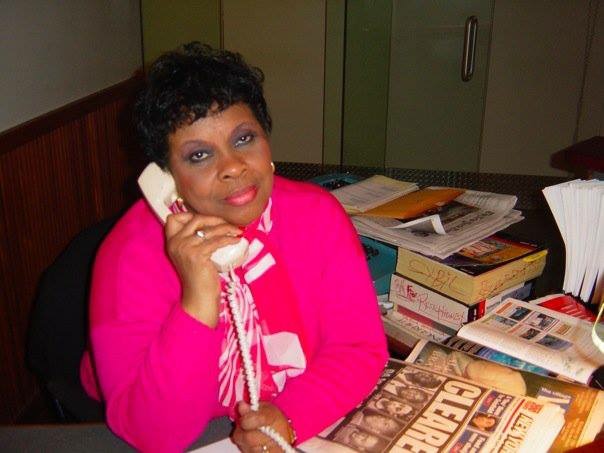
Not far from Bill’s office Sybil Brown, the receptionist from 1985-2005, offered a warm welcome, fresh flowers and the uncanny ability to locate people by phone in crucial moments and also stood as essential to the heartbeat of the Sound One experience.
In this episode, staff and clients remember their interactions with Bill Nisselson, and Sybil Brown and share their stories about how both Bill and Sybil played a dominant role not only in shaping the working environment of Sound One, but also in shaping peoples lives.
The Sound One Era: 1968-2012 is a multi-part series for Frame By Frame a podcast co-presented by Motion Picture Editors Guild and Post New York Alliance.
Frame By Frame is a podcast series that introduces you to the most influential, respected and accomplished cinema post-production professionals working in New York today. Through intimate, informal discussions between collaborators about post-production craft, aesthetics, process and technique, we’ll recognize and celebrate the iconic films and people that have made New York film history as well as those contemporaries who continue to make important contributions to the art of filmmaking. In conversations anchored by the film editor, we’ll share the stories that define New York as an essential ongoing capital of the global film industry.
Attached Thumbnails:
Tags:
Bill Nisselson
Frame by Frame
Sound Editorial
Sound One
Permalink
| Comments (0)
|
|
|
Posted By Ben Baker,
Thursday, June 1, 2017
Updated: Wednesday, March 16, 2022
|
Part 2: Family
In the late 1960’s and early 70’s, years before Sound One had established itself as one of the most successful and highly respected sound facilities on the East Coast, it was a solo operation. Elisha Birnbaum, a sound editor and foley artist who had recently emigrated from Israel, worked with a small team but quickly developed a reputation for creating a highly productive, family atmosphere filled with astonishing creativity, quality product and quick turnaround time that attracted both the established and uninitiated to work at his studio.
At its apex of productivity Sound One would take in 85% of all post-production work in New York City and would help launch the careers of both post production professionals and filmmakers like The Coen Brothers, Spike Lee, Alan Pakula, Michael Moore and Ken Burns among others. Here staff and clients share stories about the personal bonds and animal spirit that helped define the dynamics at work at Sound and how they created what has come to be known as the Sound One Family.
From 1968 to 2012, Sound One grew from a solo operation to becoming the most successful post-production sound and editing facility on the East Coast. At its apex, Sound One inhabited five floors of the famed Brill Building housed 150 edit suites and over 300 clients and staff at its apex and commanded 85% of post-production business in New York. As its reputation grew, it became the go to post-production home for such filmmakers as Sidney Lumet, Arthur Penn, George Roy Hill, Jonathan Demme, Woody Allen and Martin Scorsese and through its constant support of independents, helped launch the careers of filmmakers like the Alan Pakula, Spike Lee, The Coen Brothers, M. Night Shyamalan, Michael Moore, Ken Burns and countless post-production professionals and helped post-produce some of cinemas most influential works.
The Sound One Era: 1968-2012 is a multi-part series for Frame By Frame a podcast co-presented by Motion Picture Editors Guild and Post New York Alliance.
Frame By Frame is a podcast series that introduces you to the most influential, respected and accomplished cinema post-production professionals working in New York today. Through intimate, informal discussions between collaborators about post-production craft, aesthetics, process and technique, we’ll recognize and celebrate the iconic films and people that have made New York film history as well as those contemporaries who continue to make important contributions to the art of filmmaking. In conversations anchored by the film editor, we’ll share the stories that define New York as an essential ongoing capital of the global film industry.
Tags:
Frame by Frame
Sound Editorial
Sound One
Permalink
| Comments (0)
|
|
|
Posted By Ben Baker,
Thursday, June 1, 2017
Updated: Wednesday, March 16, 2022
|
PART 1: THE Beginning
From 1968 to 2012, Sound One grew from a solo operation run by Elisha Birnbaum a foley artist and sound editor recent emigrated from Israel to becoming the most successful post-production sound and editing facility on the East Coast. Inhabiting seven floors of the famed Brill Building and commanding at least 85% of post-production business in New York, Sound One housed 150 edit suites and over 300 clients and staff at its apex. As its reputation grew, it became the go to post-production home for such filmmakers as Sidney Lumet, Arthur Penn, George Roy Hill, Jonathan Demme, Woody Allen and Martin Scorsese and through its constant support of independents, helped launch the careers of filmmakers like the Alan Pakula, Spike Lee, The Coen Brothers, M. Night Shyamalan, Michael Moore and Ken Burns and countless post-production professionals generating some of cinemas most important films.
The Beginning tells the story of how Sound One answered a need for local sound stages in the early 1970's New York film industry and redefined the post-production community in the process.
The Sound One Era: 1968-2012 multi-part segment series is a part of the Frame By frame podcast series co-presented by Motion Picture Editors Guild and Post New York Alliance.
Frame By Frame is a podcast series that introduces you to the most influential, respected and accomplished cinema post-production professionals working in New York today. Through intimate, informal discussions between collaborators about post-production craft, aesthetics, process and technique, we’ll recognize and celebrate the iconic films and people that have made New York film history as well as those contemporaries who continue to make important contributions to the art of filmmaking. In conversations anchored by the film editor, we’ll share the stories that define New York as an essential ongoing capital of the global film industry.
Tags:
Frame by Frame
Sound Editorial
Sound One
Permalink
| Comments (0)
|
|
|
Posted By Ben Baker,
Sunday, May 21, 2017
Updated: Wednesday, March 16, 2022
|
FXF007: Sidney Lumet's NETWORK- Alan Heim, Mark Laub, Michael Jacobi and Jeffrey Wolf.
In 1976, an American satirical film written by Paddy Chayefsky and directed by Sidney Lumet, called Network, about a fictional television network, UBS, and its struggle with poor ratings, starring Faye Dunaway, William Holden, Peter Finch, Robert Duvall and Beatrice Straight was nominated for 12 Academy Awards including best film, best director and best editor. Network, won four Academy Awards, including Oscars for Chayefsky’s script, Beatrice Straights’ performance as an outraged wife, Faye Dunaway’s performance as a cynical programming executive and Peter Finch’s frenetic portrayal of Howard Beale, the troubled “mad prophet of the airwaves.”
Thirty-five years later, “Network” remains an incendiary if influential film, and its screenplay is still admired as much for its predictive accuracy as for its vehemence and a relentless sense of purpose. Screenwriter Aaron Sorkin, cited Chayefsky when he accepted his Oscar for the screenplay of “The Social Network,” and wrote later that “no predictor of the future — not even Orwell — has ever been as right as Chayefsky was when he wrote ‘Network.’ ”
Alan Heim, the picture editor of the film, Mark Laub, one from a team of sound editors, Michael Jacobi and Jeffrey Wolf, the first assistant editor and the apprentice editor on the film at the time, tell their stories of how the film came together and what it was like in various stages working with director Sidney Lumet, writer Paddy Chayefsky and Producer Howard Gottfried.
Tags:
Editor
Editorial
Frame by Frame
Sidney Lumet
Permalink
| Comments (0)
|
|
|
Posted By Ben Baker,
Tuesday, May 9, 2017
Updated: Wednesday, March 16, 2022
|
FXF006: Films of Jim Jarmusch- Jay Rabinowitz, Chic Ciccolini, Dominick Tavella
In the first episode of Frame By Frame Season 2, picture editor, Jay Rabinowitz, sound editor, Chic Ciccolini and re-recording mixer, Dominick Tavella talk about their craft and process in collaborating with filmmaker Jim Jarmusch on his films from the 1980’s and 90’s Coffee and Cigarettes, Night On Earth, and Ghost Dog.
Frame By Frame is a podcast series that introduces you to the most influential, respected and accomplished cinema post-production professionals working in New York today. Through intimate, informal discussions between collaborators about post-production craft, aesthetics, process and technique, we’ll recognize and celebrate the iconic films and people that have made New York film history as well as those contemporaries who continue to make important contributions to the art of filmmaking. In conversations anchored by the film editor, we’ll share the stories that define New York as an essential ongoing capital of the global film industry.
Tags:
assistant editor
Editorial
Frame by Frame
Jim Jarmusch
Sound Editorial
Permalink
| Comments (0)
|
|
|
Posted By Ben Baker,
Thursday, March 16, 2017
Updated: Wednesday, March 16, 2022
|
Frame By Frame, Episode 005: Angelo Corrao and Alex Halpern
Post Factory Founder, Alex Halpern and picture editor Angelo Corrao talk about their collaboration on Nine Good Teeth as well as Angelo’s work on Bruce Weber’s Let’s Get Lost and their experiences coming up in the 1980's New York film scene and developing early relationships with filmmakers like The Coen Brothers.
Frame By Frame is a podcast series that introduces you to the most influential, respected and accomplished cinema post-production professionals working in New York today. Through intimate, informal discussions between collaborators about post-production craft, aesthetics, process and technique, we’ll recognize and celebrate the iconic films and people that have made New York film history as well as those contemporaries who continue to make important contributions to the art of filmmaking. In conversations anchored by the film editor, we’ll share the stories that define New York as an essential ongoing capital of the global film industry.
Tags:
Assistant Editor
Editor
Editorial
Facility
Frame by Frame
Post Factory
postproduction
Permalink
| Comments (0)
|
|
|
Posted By Ben Baker,
Tuesday, February 7, 2017
Updated: Wednesday, March 16, 2022
|
Frame By Frame, Episode 004: Maurice Schell, Peter Frank, Lee Dichter on Sidney Lumet's The Verdict
Sound editor, Maurice Schell (Gimme Shelter, Serpico, The Missouri Breaks, Apocalypse Now, All That Jazz, Melvin and Howard, Reds, Scarface) , re-recording mixer, Lee Dichter, (Grey Gardens, Sophie’s Choice, Hannah and Her Sisters, Miller’s Crossing, The Civil War) and picture editor Peter Frank, (The Verdict, Cadillac Records, Dirty Dancing) share stories about coming up in the 1960's 70's and 80's in the New York film industry and their collaboration on Sidney Lumet’s The Verdict.
Frame By Frame is a podcast series that introduces you to the most influential, respected and accomplished cinema post-production professionals working in New York today. Through intimate, informal discussions between collaborators about post-production craft, aesthetics, process and technique, we’ll recognize and celebrate the iconic films and people that have made New York film history as well as those contemporaries who continue to make important contributions to the art of filmmaking. In conversations anchored by the film editor, we’ll share the stories that define New York as an essential ongoing capital of the global film industry.
Tags:
Assistant Editor
Editor
Editorial
Frame by Frame
Local 700
postproduction
Sound Editorial
Sound Post
Permalink
| Comments (0)
|
|
|
Posted By Ben Baker,
Wednesday, August 24, 2016
Updated: Wednesday, March 16, 2022
|
Frame by Frame 002- Vinyl & Boardwalk Empire- Kate Sanford and Tim Streeto
Television and feature film editors Kate Sanford (The Wire, The Deuce) and Tim Streeto (The Squid and the Whale, Greenberg) describe their process in developing the hit series Boardwalk Empire with Martin Scorsese, Tim Van Patten and Terry Winter as well as how they worked together with Martin Scorsese, Terry Winter and Mick Jagger to create Season 1 of Vinyl.
Frame By Frame is a podcast series that introduces you to the most influential, respected and accomplished cinema professionals working in New York today. Through intimate, informal discussions between collaborators about craft, aesthetics, process and technique, we’ll recognize and celebrate the iconic films and people that have made New York film history as well as those contemporaries who continue to make important contributions to the art of filmmaking. In conversations anchored by the film editor, we’ll share the stories with the people that continue to define New York as an essential capital of the global film industry.
Hosted by Isabel Sadurni.
Produced by Isabel Sadurni and Ben Baker.
Tags:
assistant editor
Editorial
Frame by Frame
Permalink
| Comments (0)
|
|
|
Posted By Ben Baker,
Wednesday, August 3, 2016
Updated: Wednesday, March 16, 2022
|
Frame by Frame 001- Reds- Craig McKay & Tom Fleischmann.
Frame By Frame is a podcast series that introduces you to the most influential, respected and accomplished cinema professionals working in New York today. Through intimate, informal discussions between collaborators about post-production craft, aesthetics, process and technique, we’ll recognize and celebrate the iconic films and people that have made New York film history as well as those contemporaries who continue to make important contributions to the art of filmmaking. In conversations anchored by the film editor, we’ll share the stories with the people that continue to define New York as an essential capital of the global film industry.
Picture editor, Craig McKay and Re-recording mixer Tom Fleischman talk about early influences getting started in the New York film industry of the 1960’s and 70’s as well as their work on the film by Warren Beatty, Reds.
Hosted by Isabel Sadurni.
Produced by Isabel Sadurni and Ben Baker.
Tags:
Assistant Editor
Editor
Editorial
Frame by Frame
Local 700
Permalink
| Comments (0)
|
|
 Blog Home
 All Blogs
 RSS
RSS
 Newest Company Member